" Revealing the VR6: An Interesting Guide to Its Performance and Innovation" e
The VR6 engine stands apart in vehicle engineering. Its distinct style merges functions of both inline and V-type engines. With a portable setup of 6 cyndrical tubes, it accomplishes notable power results while staying fuel-efficient. This overview will explore the complexities of the VR6, from its efficiency abilities to its historical importance. As the automobile landscape progresses, the importance of the VR6 proceeds to ignite passion amongst lovers and daily motorists alike.
The Distinct Style of the VR6 Engine
The VR6 engine attracts attention in the automobile landscape because of its ingenious layout that incorporates the attributes of both inline and V-type engines. This special setup enables a portable yet effective engine format, including 6 cyndrical tubes set up at a narrow angle. By using a single financial institution of cyndrical tubes, the VR6 lessens engine size, making it suitable for automobiles with limited space. Furthermore, the engine attains an equilibrium in between performance and effectiveness, providing smooth power shipment and an unique exhaust note. The layout incorporates innovative modern technologies such as variable valve timing, improving both responsiveness and gas economy. Because of this, the VR6 engine has become a popular option amongst lovers, offering a mix of practicality and exciting driving experience in various versions.
Design Marvels: Just How the VR6 Functions
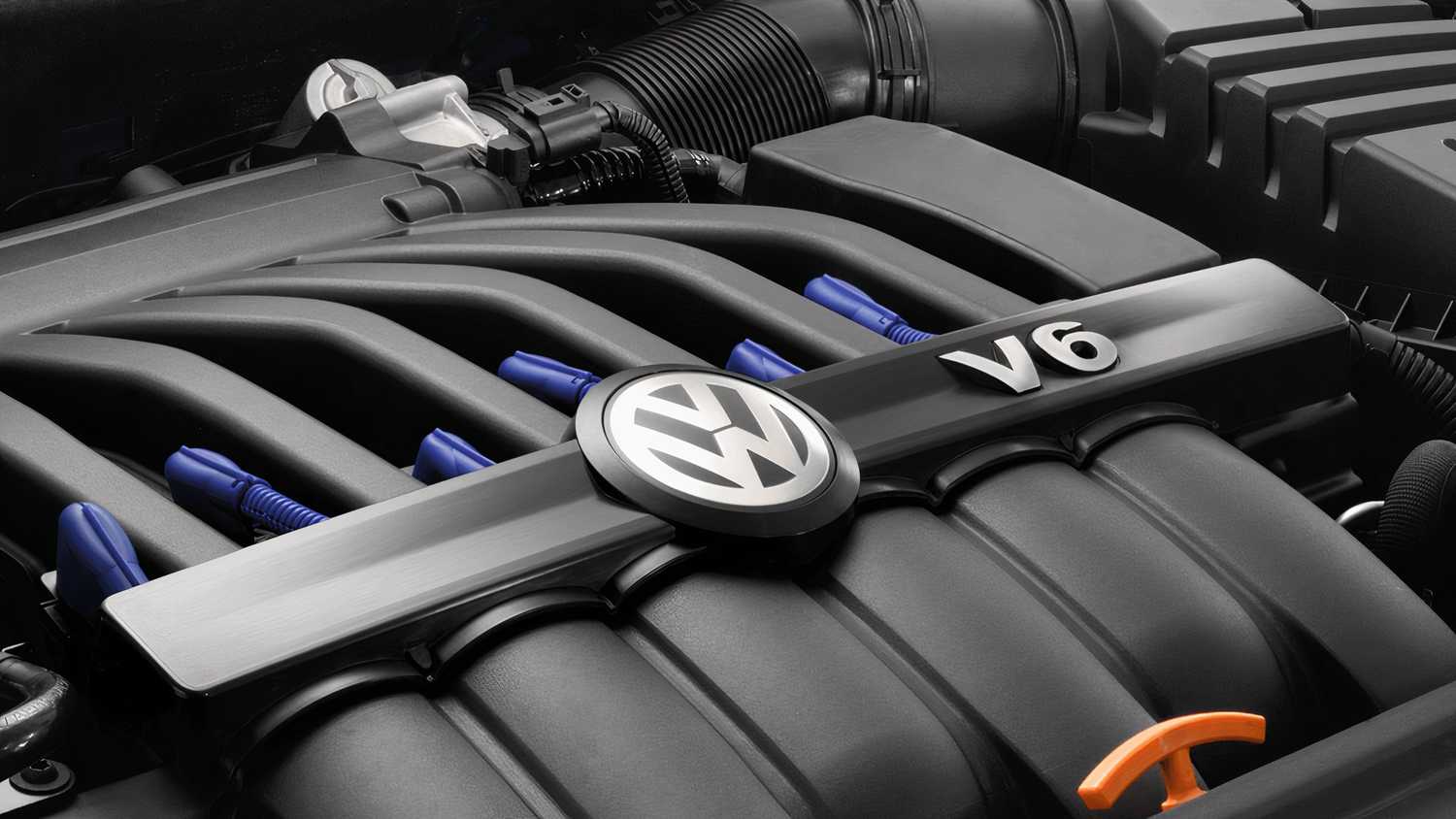
Featuring a special setup, the VR6 engine operates with a blend of innovative engineering concepts that make the most of performance and efficiency. Its style integrates the characteristics of both V and inline engines, permitting a portable type that fits quickly within tight engine bays. The engine includes a slim angle in between the cyndrical tube banks, typically around 15 levels, which contributes to its space-saving style while maintaining smooth operation. Additionally, the VR6 utilizes a solitary cylinder head, decreasing weight and intricacy compared to standard V engines. This arrangement warranties peak burning performance and improves thermal administration. The engine is outfitted with sophisticated gas shot systems and variable shutoff timing, further enhancing its responsiveness and dependability, making it a significant accomplishment in automobile engineering.
Efficiency Capabilities: Power and Torque
With power outcomes varying from 150 to over 300 horse power, the VR6 engine showcases outstanding efficiency capacities that interest both lovers and daily chauffeurs. This unique engine setup gives an unified balance between performance and drivability, defined by its smooth power delivery and robust torque. Torque numbers typically vary from 150 to 300 lb-ft, enhancing velocity and responsiveness across different driving conditions. The VR6 engine's style permits for a small dimension without compromising power, making it ideal for a variety of automobiles, from flashy coupes to practical cars. This adaptability assures that vehicle drivers can appreciate spirited driving experiences while benefiting from the engine's trusted efficiency in day-to-day circumstances, solidifying its online reputation in the automotive landscape.
Fuel Efficiency and Exhausts Considerations
The VR6 engine's gas economic situation rankings play a vital role in its total appeal, especially in a period of enhancing ecological recognition. Compliance with exhaust standards is essential for manufacturers, as it influences market acceptance and regulative approvals. In addition, engine tuning can significantly affect both fuel effectiveness and exhausts, highlighting the requirement for a well balanced method in performance optimization.
Fuel Economy Ratings
Emission Requirements Conformity
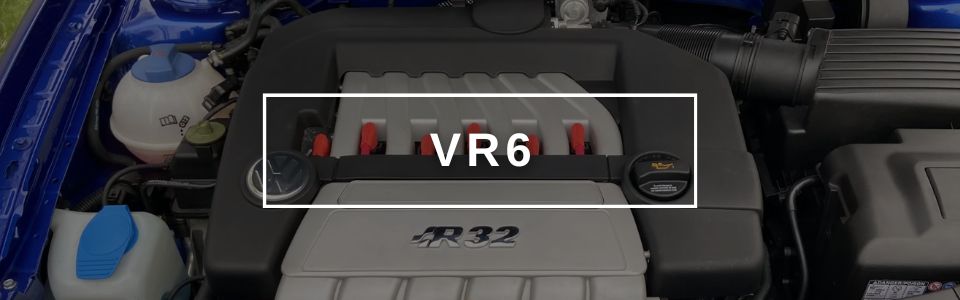
Emission requirements compliance stands for a crucial facet of the VR6 engine's style and performance. Engineered to satisfy rigorous regulations, the VR6 integrates sophisticated modern technologies that lessen hazardous discharges without compromising power. vr6. The combination of features such as catalytic converters and innovative fuel injection systems assures that the engine can operate successfully while adhering to ecological criteria. This compliance not only enhances the charm of the VR6 in different markets but additionally adds to its long-term sustainability. Additionally, the emphasis on reduced emissions lines up with growing consumer need for greener lorries. As suppliers remain to introduce, the VR6 remains an evidence of the equilibrium in between performance and ecological responsibility, satisfying both regulatory demands and consumer expectations
Engine Adjusting Influence
Tuning the VR6 engine can significantly influence both fuel effectiveness and discharges output. By adjusting specifications such as air-fuel ratio, ignition timing, and boost stress, receivers can enhance engine efficiency to accomplish far better fuel economic situation. A well-tuned VR6 might show better throttle action and power delivery, which can eventually lead to decreased gas usage during regular driving problems.
Nonetheless, the adjusting look at this now process must consider emission requirements, as hostile modifications might cause greater discharges. Certain tuning practices, such as the setup of aftermarket elements or software, can enhance engine effectiveness while still adhering to regulations - vr6. Eventually, a balanced approach to adjusting can yield a VR6 that executes efficiently without compromising environmental obligations
The VR6 in Automotive History
The VR6 engine has sculpted a noteworthy niche in automobile background, representing an one-of-a-kind blend of performance and portable layout. Presented by Volkswagen in the early 1990s, it integrated the very best qualities of inline and V engines, using a narrow-angle arrangement that enabled for a much shorter engine block. This style promoted integration into a selection of automobiles, from the Golf to the Passat, while maintaining a powerful efficiency profile. The VR6 acquired recognition for its distinct sound, smooth procedure, and excellent torque shipment, attracting fanatics and day-to-day motorists alike. Over the years, it has been a cornerstone in Volkswagen's schedule, affecting engine advancement and establishing criteria for performance in portable automobiles. Its heritage remains to reverberate in the automotive world.
Tuning and Modifications for Enhanced Efficiency
Many fanatics seek tuning and alterations to release the complete possibility of the VR6 engine, changing its already remarkable efficiency features. Typical modifications consist of updating the consumption and exhaust systems, which boost air flow and improve throttle reaction. Many select ECU remapping to maximize gas delivery and ignition timing, resulting in enhanced horse power and torque. Setting up a high-performance turbocharger can considerably enhance engine result, making it a preferred option amongst receivers. Furthermore, tweak suspension and brakes guarantees that enhanced power is matched by improved handling and quiting abilities. Aftermarket more information intercoolers and updated gas systems further sustain these adjustments, enabling sustained performance enhancements. Generally, these tuning alternatives provide VR6 fanatics with a personalized driving experience tailored to their performance desires.
The Future of the VR6 Engine
As automotive modern technology remains to evolve, the future of the VR6 engine stays a topic of intrigue among producers and enthusiasts alike. This distinct engine setup, understood for its compact layout and smooth efficiency, is dealing with challenges from emerging alternatives such as electric and hybrid powertrains. Nevertheless, the VR6's distinct noise and personality maintain a devoted following. Producers might discover developments in materials and turbocharging to enhance performance and efficiency, guaranteeing the VR6 continues to be appropriate in the competitive check automotive landscape. Additionally, possible adaptations for hybrid systems could expand the engine's lifespan. Ultimately, while the VR6 engine's future may doubt, its tradition proceeds to inspire development and passion within the automobile neighborhood.

Regularly Asked Inquiries
What Cars Generally Feature the VR6 Engine?
The VR6 engine is commonly discovered in different Volkswagen and Audi versions, including the Golf, Passat, and Jetta, along with the Audi A3 and A4, showcasing its adaptability and efficiency in several applications.
Exactly how Does the VR6 Contrast to Inline and V Engines?
The VR6 engine supplies a portable design that incorporates features of both inline and V engines, supplying an equilibrium of level of smoothness and power. Its distinct arrangement permits for effective space usage without sacrificing performance.
What Are the Usual Issues With VR6 Engines?
Usual concerns with VR6 engines include oil leaks, timing chain tensioner failures, and coolant system issues (vr6). Furthermore, some units experience intake manifold problems and potential overheating, which can cause considerable efficiency decreases and repair services
Can the VR6 Engine Be Exchanged Into Various Other Cars?
Yes, the VR6 engine can be switched right into different vehicles, often requiring customized places and alterations. Lovers regularly seek this swap to enhance efficiency, though compatibility and technical obstacles should be thoroughly thought about beforehand.
What Is the Cost of a VR6 Engine Replacement?
The price of a VR6 engine replacement normally ranges from $3,000 to $7,000, relying on factors like labor, parts high quality, and whether it's a brand-new or utilized engine. Prices might vary by area and automobile model.
The VR6 engine stands out in the automobile landscape due to its cutting-edge design that combines the features of both inline and V-type engines. Its design integrates the characteristics of both V and inline engines, permitting for a compact type that fits conveniently within limited engine bays. Presented by Volkswagen in the early 1990s, it integrated the ideal characteristics of inline and V engines, offering a narrow-angle configuration that allowed for a much shorter engine block. The VR6 engine provides a compact design that incorporates features of both inline and V engines, supplying an equilibrium of level of smoothness and power. The expense of a VR6 engine replacement usually varies from $3,000 to $7,000, depending on factors like labor, components top quality, and whether it's a new or used engine.